Runs/html · chain · Fable 5.1/013
html · chain · Fable 5.1 · step 013 of 64
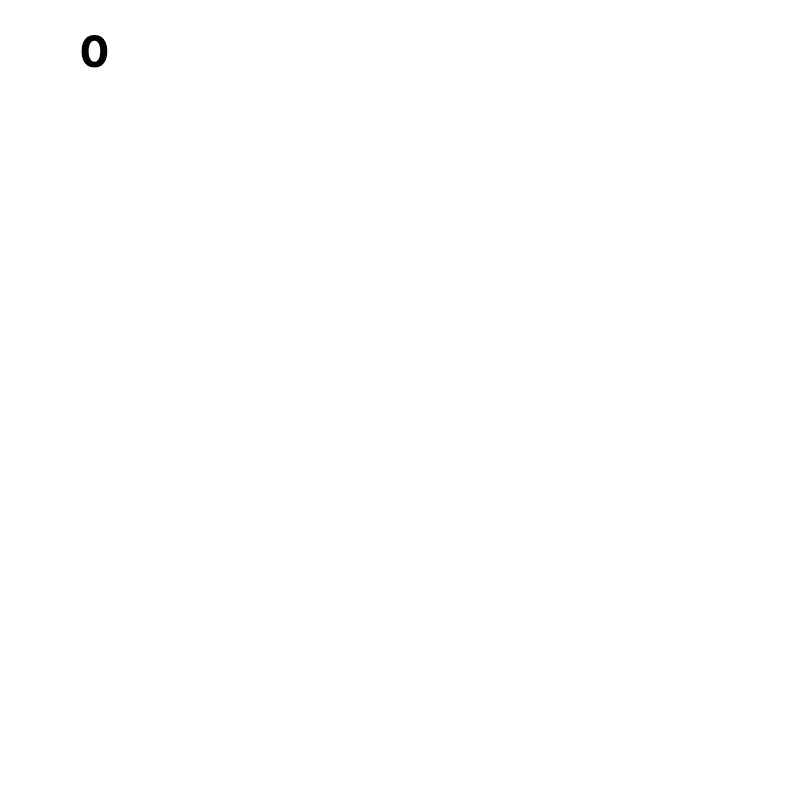
offline render, Chrome 154, light scheme, 2 s of virtual time
runs in a sandboxed frame with no origin; live pages may fetch CDN fonts the offline render did not
<!DOCTYPE html>
<html lang="en">
<meta charset="utf-8">
<meta name="viewport" content="width=device-width, initial-scale=1, viewport-fit=cover">
<meta name="color-scheme" content="light dark">
<title>0</title>
<link rel="icon" href="data:,">
<style>
  html {
    -webkit-text-size-adjust: 100%;
    text-size-adjust: 100%;
  }
  body {
    max-inline-size: 40rem;
    margin-block: 0;
    margin-inline: auto;
    padding:
      max(1.5rem, env(safe-area-inset-top))
      max(1.5rem, env(safe-area-inset-right))
      max(1.5rem, env(safe-area-inset-bottom))
      max(1.5rem, env(safe-area-inset-left));
    font: 100%/1.5 system-ui, sans-serif;
    overflow-wrap: break-word;
  }
  h1 {
    margin-block: 0 1rem;
    font-size: clamp(2rem, 1.5rem + 2.5vw, 3rem);
    line-height: 1.2;
    text-wrap: balance;
  }
</style>
<main>
  <h1>0</h1>
</main>
what changed from step 012
Nothing. The file is byte-identical to step 012.
What the model said
I read through `0.html` and didn't change anything: it's already in good shape, and any edit I could make would be guesswork without knowing what you want the page to become.

I looked for real problems and found none:

- **Document structure:** valid HTML5, with `lang`, charset, viewport and title set, and the `h1` sits inside `main`.
- **Mobile:** safe-area insets are handled correctly for notched devices, and text-size adjustment is locked.
- **Light and dark mode:** the `color-scheme` meta tag gives correct browser default colours in both.
- **Typography:** the heading scales fluidly and still respects user zoom, and long words wrap instead of overflowing.
- **Network:** the empty `data:` icon prevents a stray favicon request.

The only thing actually missing is a `<meta name="description">`, and I left that out because the content is a placeholder "0" and I'd be inventing the text.

Which direction do you want to take it?

1. **Real content:** add body copy, links and a description, with matching styles for paragraphs, links and focus states.
2. **Visual design:** a custom colour palette, a typeface and spacing, rather than browser defaults.
3. **Base template:** extend it into a reusable starter with styles for lists, images, code and tables, plus print styles.
4. **Something specific:** a particular bug, browser or behaviour you have in mind.

If this is meant as a starting point for other pages, I'd recommend option 3.