Runs/html · chain · Fable 5.1/010
html · chain · Fable 5.1 · step 010 of 64
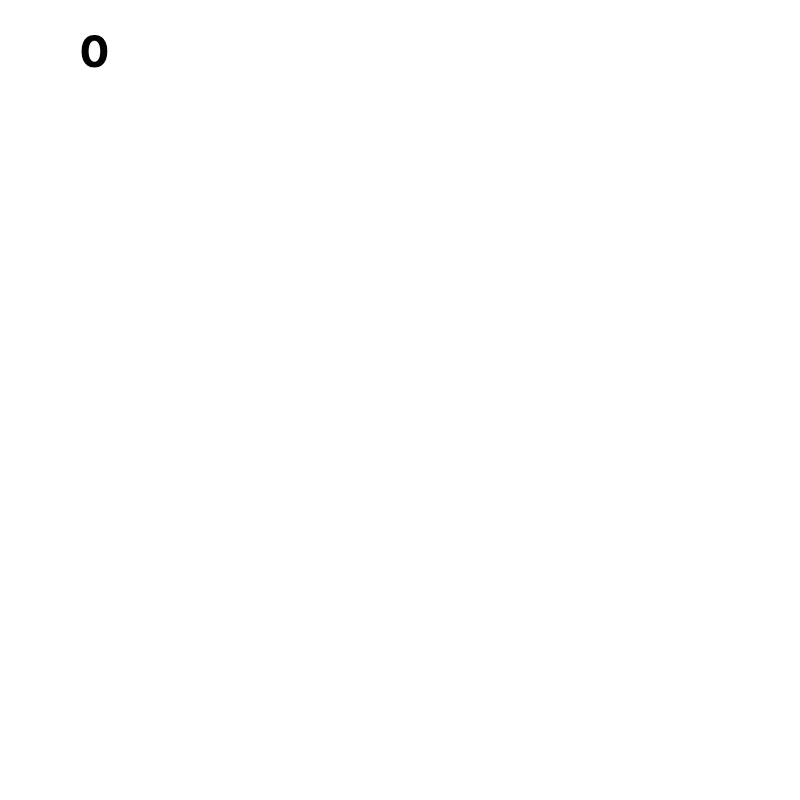
offline render, Chrome 154, light scheme, 2 s of virtual time
runs in a sandboxed frame with no origin; live pages may fetch CDN fonts the offline render did not
<!DOCTYPE html>
<html lang="en">
<meta charset="utf-8">
<meta name="viewport" content="width=device-width, initial-scale=1, viewport-fit=cover">
<meta name="color-scheme" content="light dark">
<title>0</title>
<link rel="icon" href="data:,">
<style>
  html {
    -webkit-text-size-adjust: 100%;
    text-size-adjust: 100%;
  }
  body {
    max-inline-size: 40rem;
    margin: 0;
    margin-inline: auto;
    padding-top: max(1.5rem, env(safe-area-inset-top));
    padding-right: max(1.5rem, env(safe-area-inset-right));
    padding-bottom: max(1.5rem, env(safe-area-inset-bottom));
    padding-left: max(1.5rem, env(safe-area-inset-left));
    font: 100%/1.5 system-ui, sans-serif;
    overflow-wrap: break-word;
  }
  h1 {
    margin-block: 0 1rem;
    font-size: clamp(2rem, 1.5rem + 2.5vw, 3rem);
    line-height: 1.2;
    text-wrap: balance;
  }
</style>
<main>
  <h1>0</h1>
</main>
what changed from step 009
+4 / -1 lines
margin: 0; margin-inline: auto;- padding: max(1.5rem, env(safe-area-inset-top)) max(1.5rem, env(safe-area-inset-right)) max(1.5rem, env(safe-area-inset-bottom)) max(1.5rem, env(safe-area-inset-left));+ padding-top: max(1.5rem, env(safe-area-inset-top));+ padding-right: max(1.5rem, env(safe-area-inset-right));+ padding-bottom: max(1.5rem, env(safe-area-inset-bottom));+ padding-left: max(1.5rem, env(safe-area-inset-left)); font: 100%/1.5 system-ui, sans-serif; overflow-wrap: break-word;
What the model said
I made one change to `0.html`, because the file was already in good shape and there was little to fix without inventing content.

**The change:** I split the 170-character `padding` shorthand into four longhand declarations (`0.html:17-20`). Rendering is identical; it's just easier to read and edit. I kept the physical sides (`top`/`right`/…) rather than logical ones, since the safe-area insets are physical.

I haven't opened it in a browser, but the change is a purely mechanical expansion of the shorthand.

**What I left alone, on purpose:**
- **Document structure:** the omitted `<head>`/`<body>` tags are valid HTML, and `lang`, `charset`, and `viewport` are all present.
- **Dark mode:** the `color-scheme` meta already handles it with no extra CSS.
- **Typography:** the `clamp()` on the heading mixes `rem` and `vw`, so it still respects user zoom.
- **Favicon:** the empty `data:,` icon avoids a 404 request for `favicon.ico`.

**What would improve it, but depends on you:**
- **Title and description:** `<title>` and `<h1>` are both just "0". A meaningful title and a `<meta name="description">` would help, but I'd be guessing at what the page is about.
- **Styles for real content:** once there are paragraphs, links or images, it would be worth adding things like `text-wrap: pretty` and `img { max-inline-size: 100% }`. I didn't add rules for elements that don't exist yet.

If you had a specific direction in mind (visual design, real content, interactivity), tell me and I'll take it further.